Sustainability is a growing priority in the construction industry, with an increasing demand for eco-friendly materials that minimize environmental impact while maintaining performance and durability.
Trends show that homeowners are interested in sustainable living, and a recent survey showed that 52% of those surveyed said they are willing to pay more for a home that is sustainable. Sustainable materials are not only better for the environment, but they also offer long-term cost savings, energy efficiency and healthier living spaces.
WHAT MAKES MATERIALS SUSTAINABLE?
Sustainable building materials are those that reduce the negative environmental impact of construction. These materials are sourced and manufactured in ways that conserve natural resources, minimize waste, reduce toxicity and often improve energy efficiency. They can include materials made from renewable resources, recycled pieces or those that require less energy to produce and transport.
BENEFITS OF USING SUSTAINABLE BUILDING MATERIALS
Incorporating sustainable materials into your projects offers several advantages beyond environmental benefits. These products often improve performance, reduce operating costs and can contribute to healthier, more comfortable living environments. Here are some of the key benefits:
- Long-Term Cost Savings: Although sustainable materials may have higher initial costs, they often provide long-term savings through reduced energy usage and lower maintenance requirements. For example, composite decking and engineered wood products offer durability and performance that reduce the need for frequent replacements, lowering lifecycle costs.
- Reduced Environmental Impact: Using eco-friendly materials like engineered wood, recycled metal, and low-VOC paints helps reduce resource consumption and minimize waste. Sustainable materials often have lower embodied energy, meaning they require less energy to produce and transport, which further reduces their environmental footprint.
- Energy Efficiency: Many sustainable building materials are designed to improve energy efficiency, such as energy-efficient windows, insulated concrete forms and cool roofing materials. These products help reduce energy consumption by providing better insulation, ultimately lowering utility bills for homeowners and building occupants.
- Compliance with Green Building Standards: Sustainable materials play a crucial role in meeting green building certification requirements such as LEED (Leadership in Energy and Environmental Design) or NAHB Green Building Standards. Materials like low-VOC finishes, recycled products, and energy-efficient systems help builders meet the criteria for these certifications, which can increase the marketability and value of a project.
- Healthier Indoor Air Quality: Products like low-VOC paints and formaldehyde-free insulation contribute to improved indoor air quality by minimizing harmful emissions. This is especially important in homes and commercial spaces where occupants may be sensitive to pollutants.
EXAMPLES OF SUSTAINABLE BUILDING MATERIALS
Here are some of the top sustainable building materials available that can help you achieve your sustainability goals on your next project:
ENGINEERED WOOD PRODUCTS (EWP)
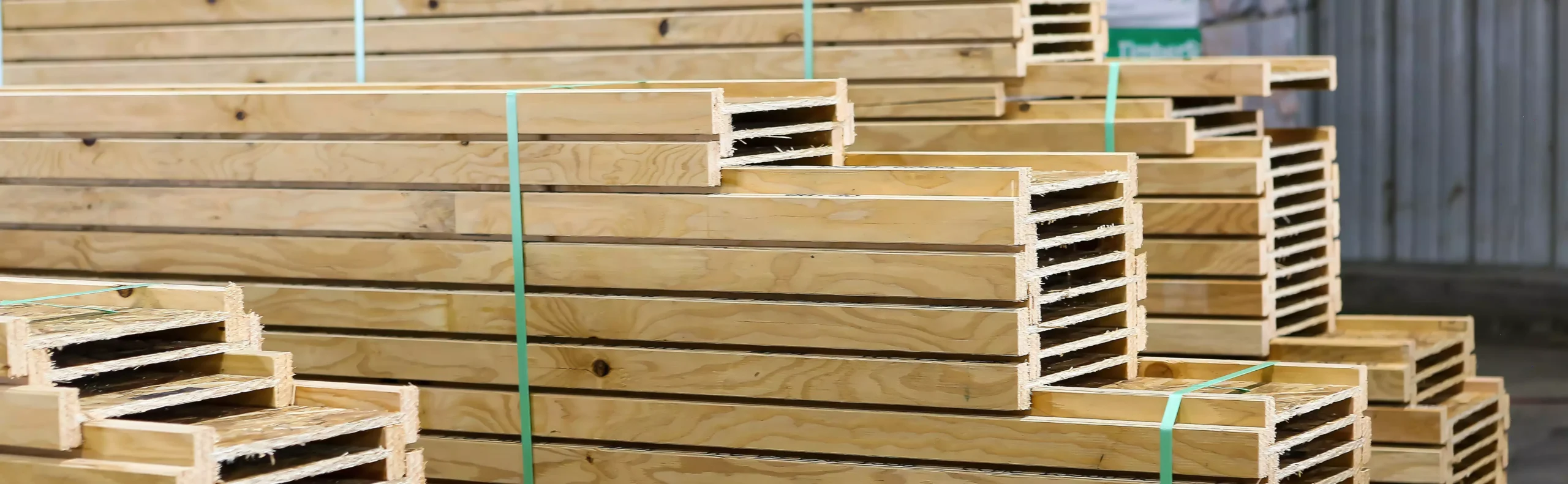
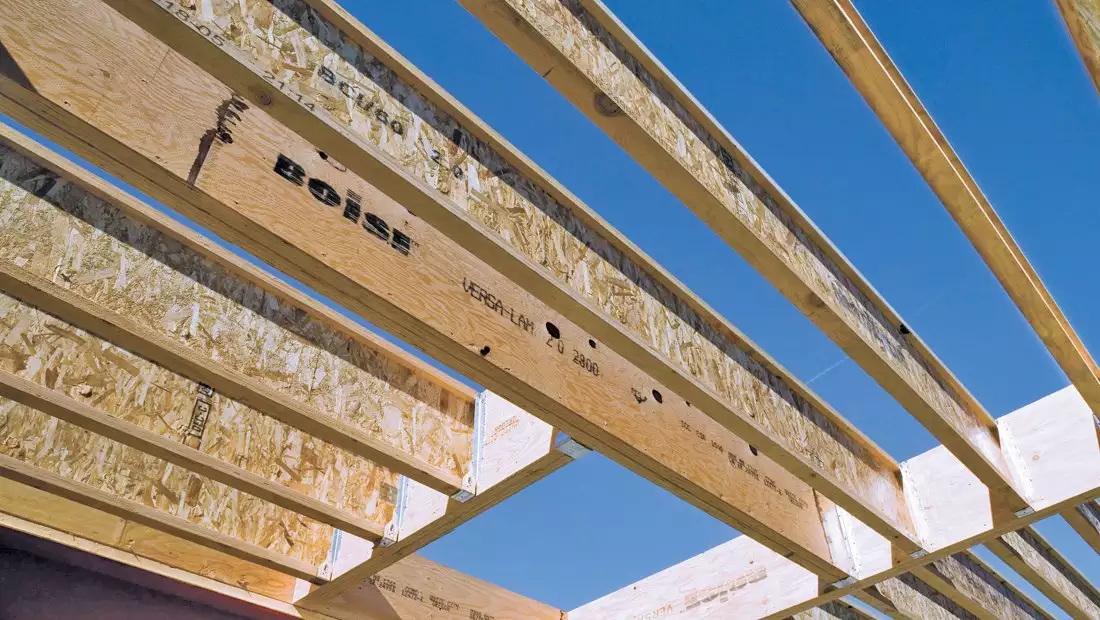
Engineered wood products like Laminated Veneer Lumber (LVL) and I-joists are excellent alternatives to traditional timber. They are made from smaller, fast-growing trees and use fewer resources while providing superior strength and consistency. Engineered wood also generates less waste, making it a more sustainable choice for framing and structural applications.
ENERGY-EFFICIENT WINDOWS AND DOORS
Energy-efficient windows and doors are designed to provide better insulation, reducing the amount of energy needed to heat or cool a building. Many of these products are Energy Star® certified, meaning they meet strict energy-efficiency guidelines. They also help improve overall indoor comfort while lowering energy bills, making them a popular choice for both new builds and renovations.

PRE-CUT HOME FRAMING
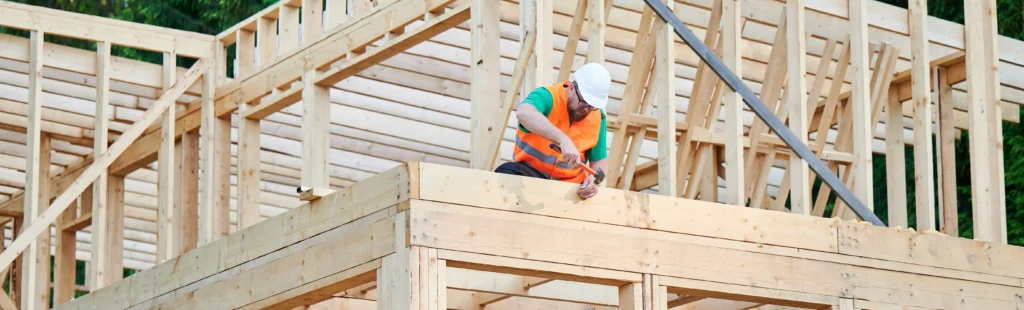
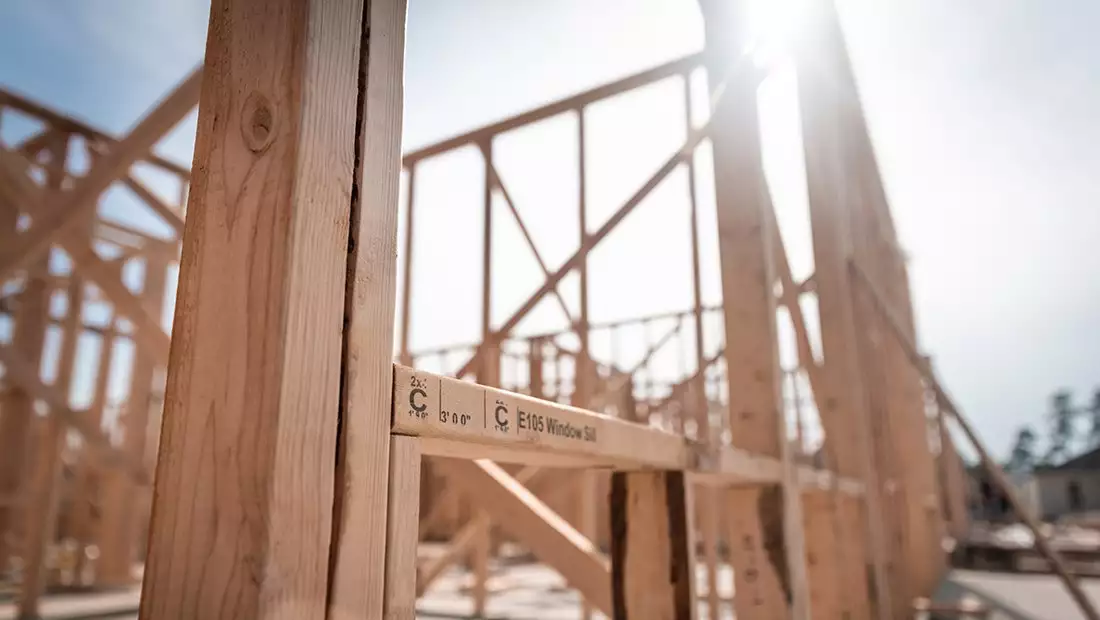
Pre-cut home framing, such as the READY-FRAME® system, is gaining popularity as an eco-friendly solution in construction. Since the materials are pre-measured and cut in a controlled environment, pre-cut framing significantly reduces waste generated on-site. This process also reduces transportation emissions, as fewer deliveries are required, and decreases the time spent on-site, minimizing the environmental footprint of the project.
COMPOSITE DECKING
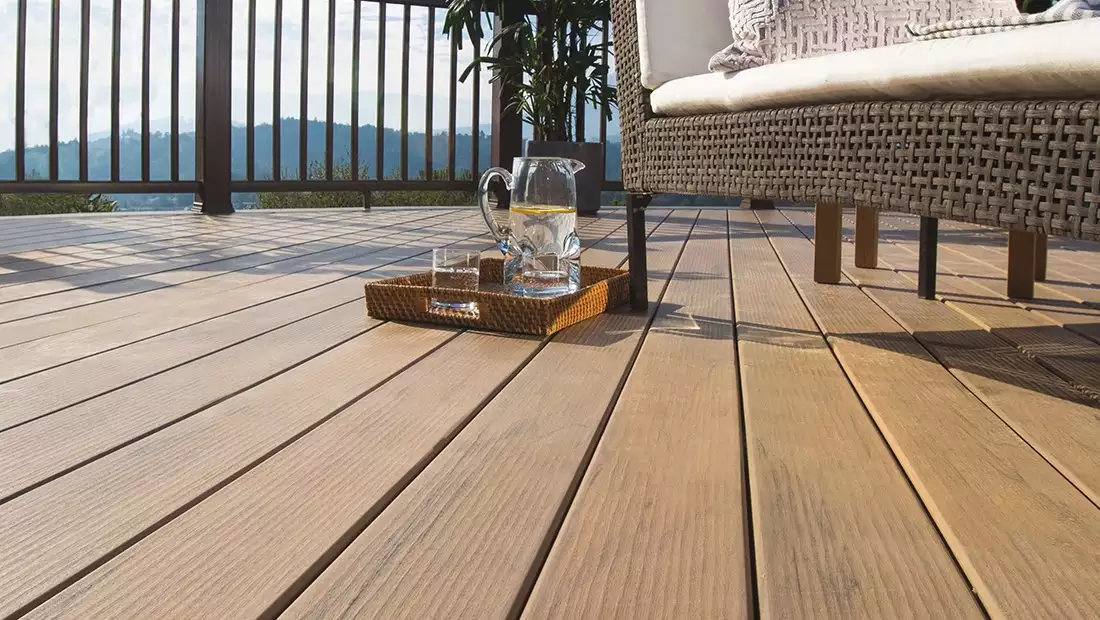
Composite decking is made from a combination of recycled plastics and wood fibers, offering a sustainable alternative to traditional wood decking. It’s highly durable, resistant to rot and pests, and requires less maintenance over its lifetime, making it a cost-effective and environmentally friendly option for outdoor spaces.
RECYCLED AND RECLAIMED WOOD
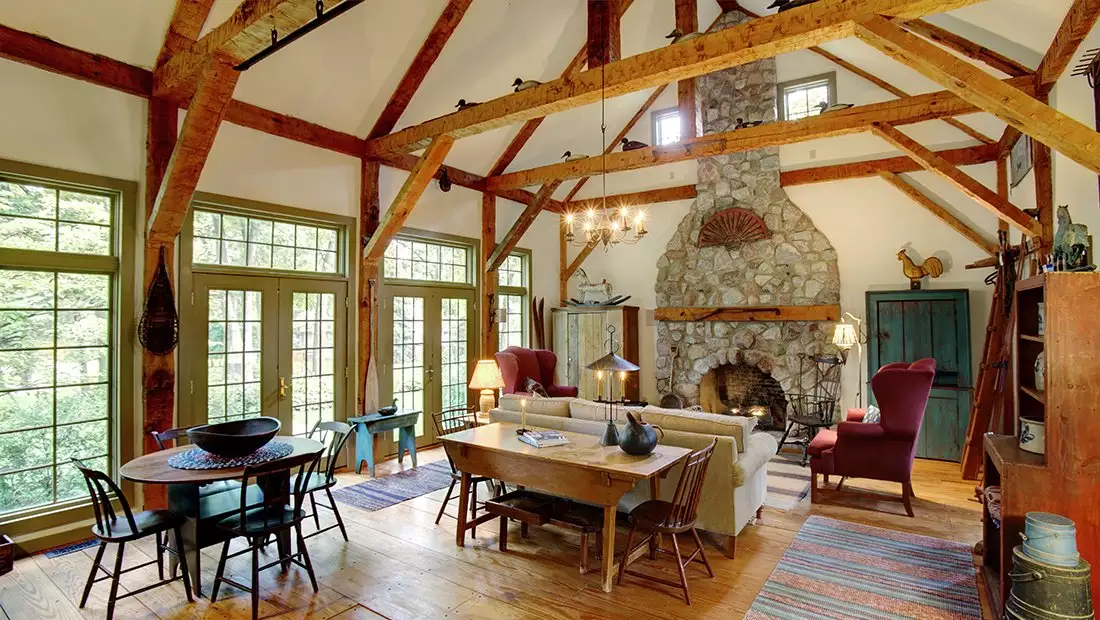
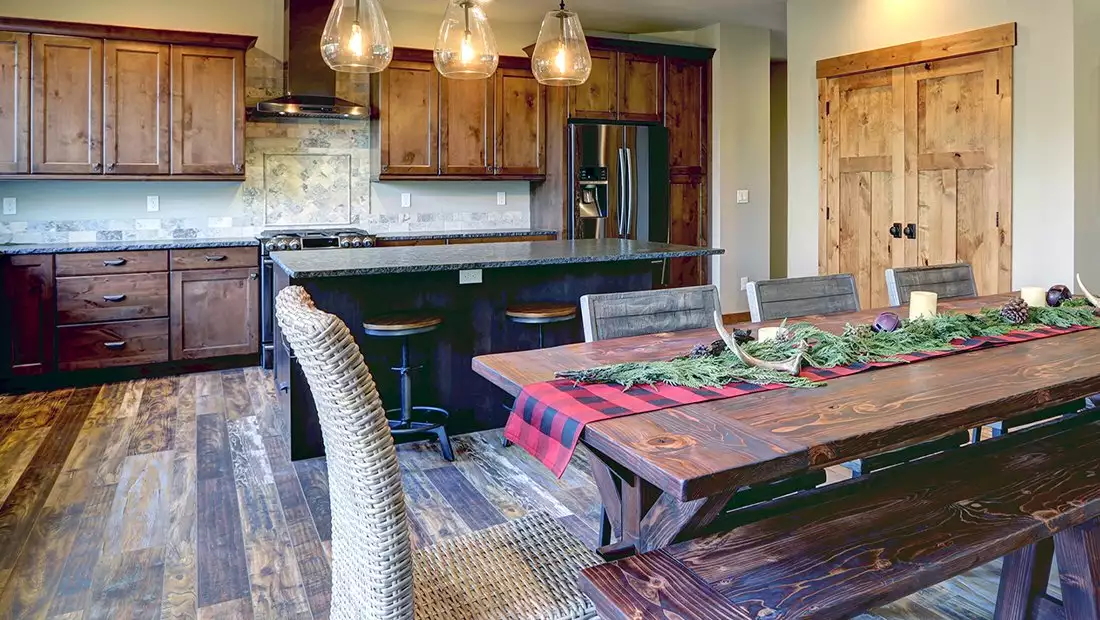
Recycled and reclaimed wood products are made from salvaged materials, reducing the need for new timber and keeping waste out of landfills. Reclaimed wood is often repurposed from old buildings or structures, offering a distinctive look with character while contributing to resource conservation.
Sustainable building materials are no longer just a niche option; they are becoming the new standard for high-performance construction. Whether you are focused on reducing environmental impact, improving energy efficiency, or enhancing indoor air quality, choosing sustainable materials can help you meet your project goals while delivering value to your clients.
By integrating these eco-friendly materials into your construction practices, you can create buildings that are not only environmentally responsible but also more durable, efficient and comfortable for occupants. As the demand for green building solutions continues to rise, builders who adopt sustainable practices will be better equipped to lead the future of construction.
RELATED ARTICLES
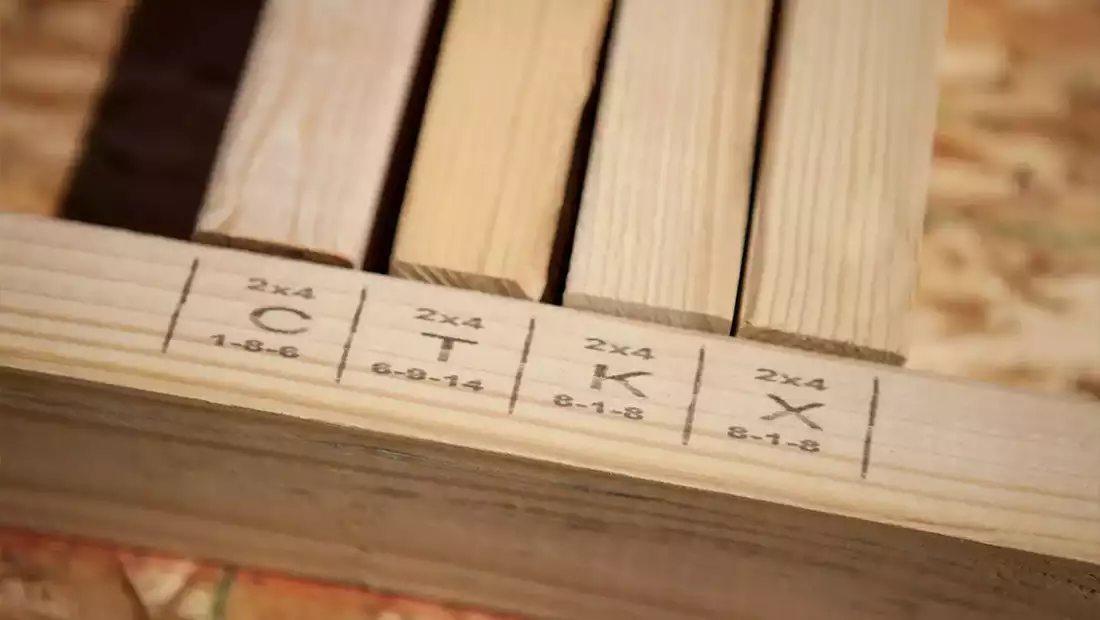
READY-FRAME® Our pre-cut framing package that makes framing better, faster, safer, and greener. You give us your plans, and we cut everything you need, just how you need it. Learn More About READY-FRAME®

Find the Right Windows for Optimal Energy Efficiency and Weather Protection Windows play a vital role in weather protection and energy efficiency for every home. Get tips for selecting and installing resilient, high-performance windows. Read More About Energy-Efficient Windows
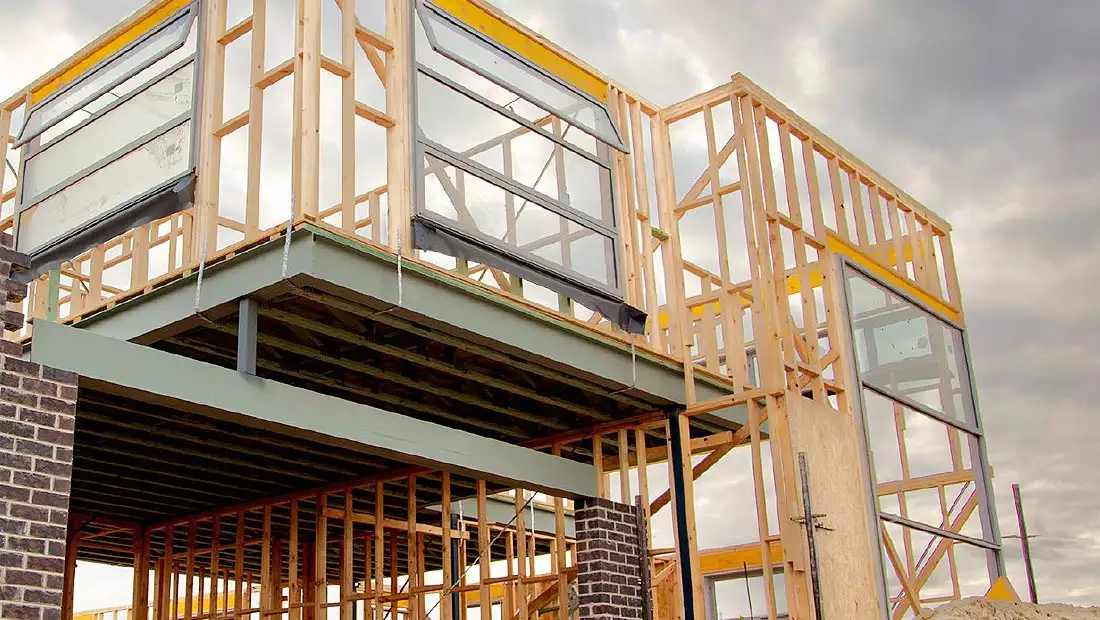
Build Science™ 101 Builders FirstSource is proud to partner with The Build Show to present Build Science™ 101. This series will sharpen your foundational knowledge, introduce game-changing concepts, and perhaps even challenge a few beliefs. Learn More About Build Science™ 101